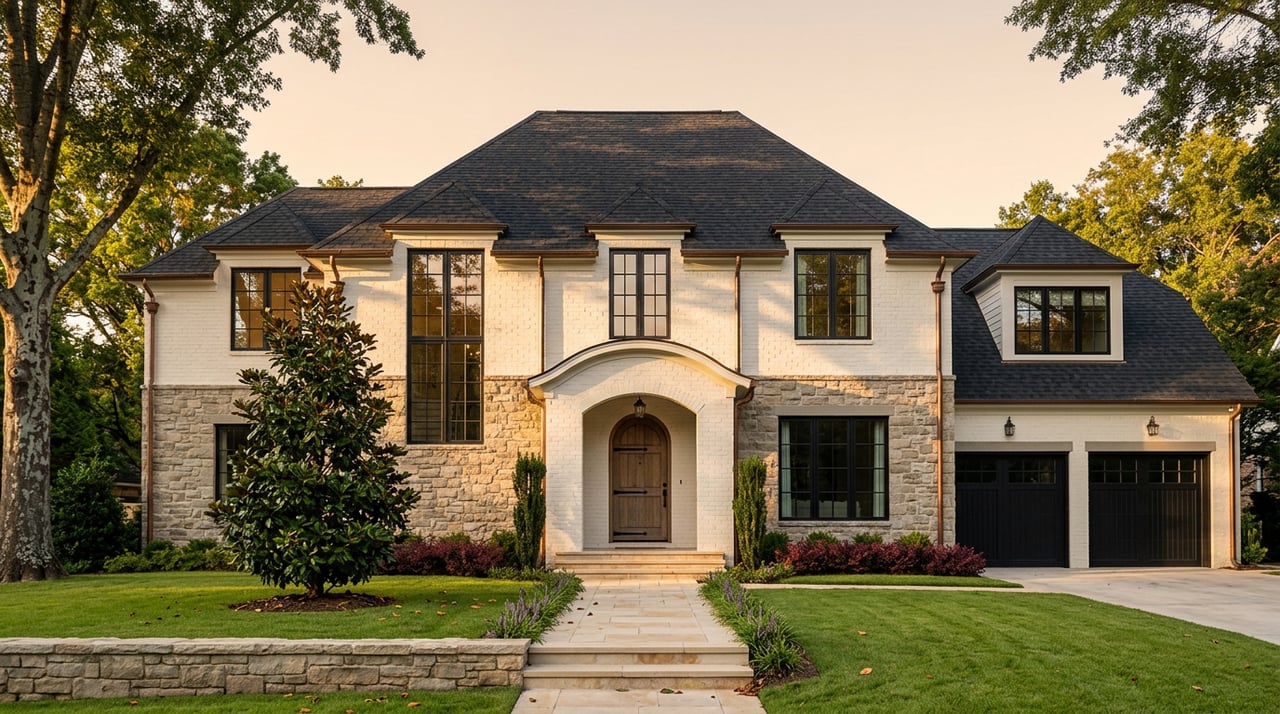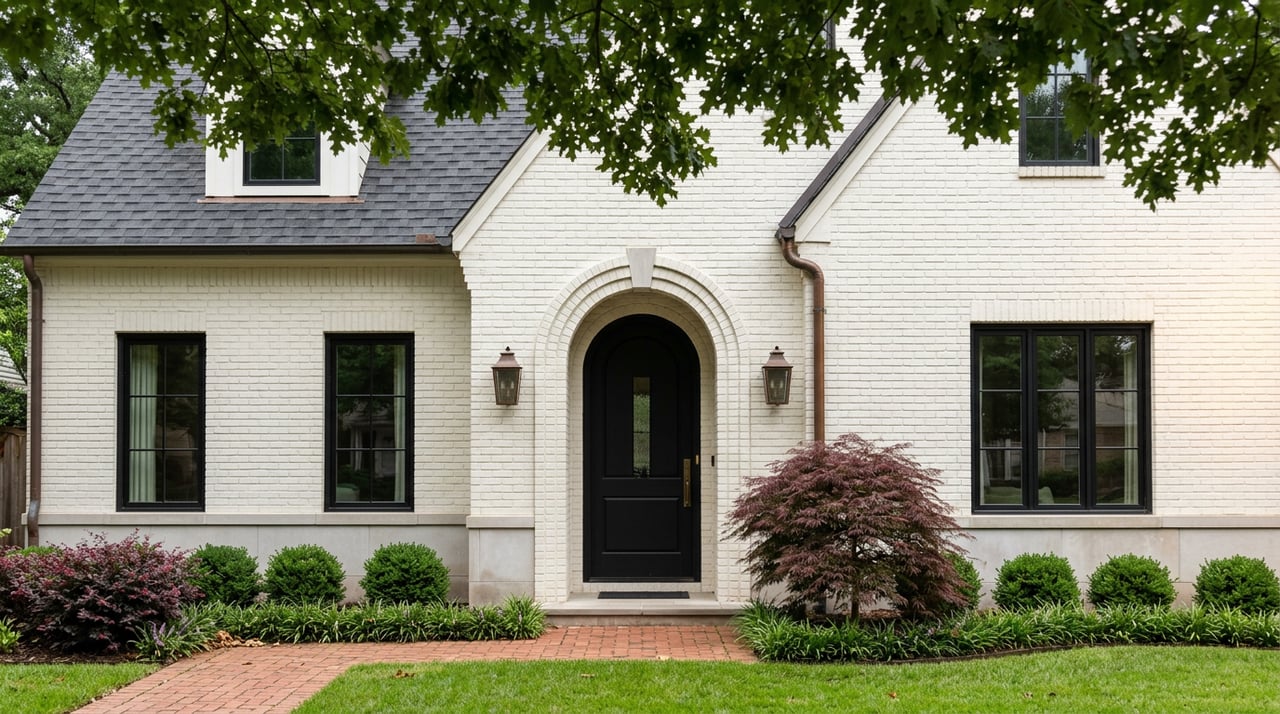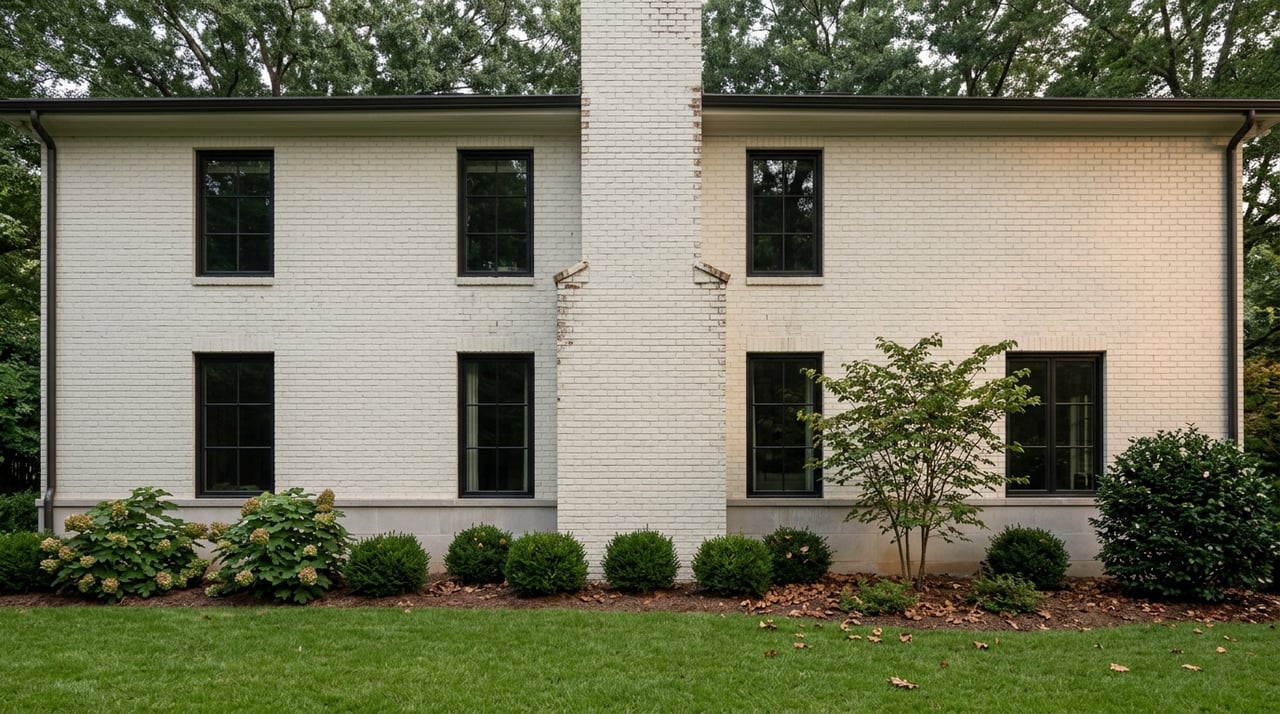
Ask a Myers Park homeowner what worries them about listing a hundred-year-old house, and most say the same thing: the historic district. They picture a review board, a stack of paperwork, a paint color rejected because it reads too modern against a 1920s Tudor Revival facade. The worry is understandable. It is also mostly misplaced.
Charlotte has six neighborhoods where a Certificate of Appropriateness stands between a homeowner and a new roof, a repainted trim color, or a replaced window: Dilworth, Fourth Ward, Hermitage Court, Plaza-Midwood, Wesley Heights, and Wilmore. Myers Park, as a whole, is not one of them. The distinction matters more than most sellers realize, because it points attention away from the two things that actually slow down a Myers Park sale and toward a process that, for most of the neighborhood, doesn't apply at all.
The Designation Everyone Assumes, and the One That Actually Governs
Myers Park carries a National Register of Historic Places listing, roughly 670 contributing buildings spread across streets like Queens Road, Providence Road, Selwyn Avenue, and Colony Road. That listing is real and it matters for history, for prestige, and in some cases for restoration tax credits. What it doesn't do is trigger mandatory city review before you reroof, repaint, or swap out a window. Charlotte's local historic district overlay, the one that requires a Certificate of Appropriateness under the city's zoning ordinance, is a separate and narrower designation. National Register status is honorary. The overlay is regulatory. Most of Myers Park has the first, not the second.
There's one exception worth knowing if you're anywhere near Hermitage Road. Hermitage Court, the one-block enclave that developer Floyd Simmons laid out inside the broader Myers Park area, is itself one of Charlotte's six local historic districts. Its stone gateways are an official Charlotte-Mecklenburg Historic Landmark, and homeowners there do need a Certificate of Appropriateness for visible exterior changes. Step outside that single block, and the Myers Park Homeowners Association, a voluntary civic group with no assessment or enforcement authority, is the closest thing to an approval body most sellers will encounter.
So if a Certificate of Appropriateness isn't the obstacle for the vast majority of Myers Park listings, what is? The answer sits underground and above the ceiling, not in a review board's meeting minutes.
What a Sewer Scope Actually Finds Under Queens Road
Earle Sumner Draper spent years planting the willow oaks that now arch over Queens Road, part of the original neighborhood plan he took over from landscape architect John Nolen. A century later those same oaks have root systems large enough to find every joint in an aging clay sewer line. Homes built before the 1980s, which describes most of original Myers Park, typically run on clay or cast iron laterals, and local plumbers who work the neighborhood regularly describe root intrusion and estate-home piping as the most common call they get, more so than any other single issue.
This isn't a cosmetic problem. A compromised lateral shows up on a sewer scope, and sewer scopes have become a standard part of due diligence in Charlotte's older neighborhoods. When a buyer's inspector or a third-party specialist runs a camera down the line and finds root intrusion, that report becomes negotiating leverage. An independent finding from someone with no stake in the repair carries real weight at the closing table, and buyers increasingly use it to request a credit or ask the seller to complete the repair before closing.
The fix doesn't have to mean digging up a hundred-year-old brick walk. Trenchless lining, which repairs the pipe from two small access pits rather than an open trench, is often the better option specifically because it protects the oaks and the hardscaping that make these lots valuable in the first place. Trenchless sewer replacement in the Charlotte area generally runs in the range of $150 to $180 per linear foot for pipe bursting and lining, with root removal labor adding $60 to $240 an hour on top, and industry estimates put the return on a trenchless replacement at 25 to 50 percent of project cost added back in home value. A seller who gets ahead of this with a pre-listing scope controls the number and the narrative. A seller who waits is negotiating against a surprise.
The Roof System Original to the House Doesn't Meet Modern Shingles
The second surprise lives above the ceiling. Nearly every Myers Park home built between 1911 and 1943 was framed with 1x4 spaced pine sheathing, individual boards laid with gaps between them, because that construction method suited the wood shake, slate, and clay tile roofs common in that era. Modern asphalt shingles need a continuous, solid nailing surface to perform the way manufacturers intend. After eighty to well over a hundred years, that original spaced sheathing is often split, rotted at the eaves, or simply no longer holds a nail reliably.
The practical result is that almost every original Myers Park home needs new decking installed over or in place of that original spaced sheathing as part of a full reroof, not as an optional upgrade but as a baseline requirement for the new roof to hold. This is exactly the kind of line item that gets missed in a rough seller estimate and then reappears, larger, in an inspection report during the option period.
Helen Honeycutt's background as a builder-owner is useful here for a specific reason: builder-level insight means knowing which items are cosmetic and which are structural before a buyer's inspector points it out. A spaced-sheathing roof replacement and a sewer lateral repair both fall into the second category. Neither has anything to do with historic district approval. Both have everything to do with what a buyer's inspection will surface and what that surfacing does to your timeline.
Why the Timing Matters Right Now
As of April 2026, homes listed in Myers Park carried a median list price near $1.98 million and roughly $597 per square foot, moving through to contract in a median of about 26 days. Looking at the trailing twelve months through March 2026, the broader median sale price sat closer to $1.625 million, up modestly from the year before, with homes typically selling in around 46 days, faster than the national average.
Those numbers describe a market that moves quickly once a home is under contract. A short timeline is an advantage when everything checks out and a real cost when it doesn't. A root-intrusion finding or a spaced-sheathing discovery during a 46-day window doesn't just add a repair bill. It stalls a closing, reopens negotiation on a price that was already agreed, and in a market where days on market are already tight, gives the buyer room to walk if the numbers don't get resolved fast enough.
Two questions worth answering before a Myers Park listing goes live:
- What is the sewer lateral made of, and when was it last scoped
- Is the roof deck original spaced sheathing, and has it already been addressed in a past reroof
Answering both before a buyer's inspector does turns a potential renegotiation into a line item you already priced. That's the difference between selling on your terms and selling on someone else's discovery.
A Few Direct Questions
Do I need city approval to reroof or repaint a Myers Park home? For the vast majority of the neighborhood, no. Myers Park carries a National Register listing, which is honorary, not one of Charlotte's six local historic district overlays that require a Certificate of Appropriateness. The one exception is Hermitage Court, the small enclave off Hermitage Road, which is itself a local historic district with its own review requirement.
What does a compromised sewer lateral typically cost to fix in an older Charlotte neighborhood? Sewer line repair in the Charlotte area generally runs $30 to $240 per linear foot depending on method, with trenchless pipe bursting and lining averaging $150 to $180 per linear foot. Root removal labor typically adds $60 to $240 an hour when it's part of the job.
Should I get a sewer scope before listing or wait for the buyer's inspector to find it? Getting ahead of it is almost always the stronger position. A pre-listing scope lets you price the repair, choose the contractor, and set expectations in your disclosures, rather than reacting to a buyer's leverage point during a short option period.
If you're weighing what to fix before you list a Myers Park home, or you want a read on how these specific issues might affect your timeline and price, Helen Honeycutt Group can walk through it with you. Get a Free Home Valuation and start the conversation with the numbers already on the table.