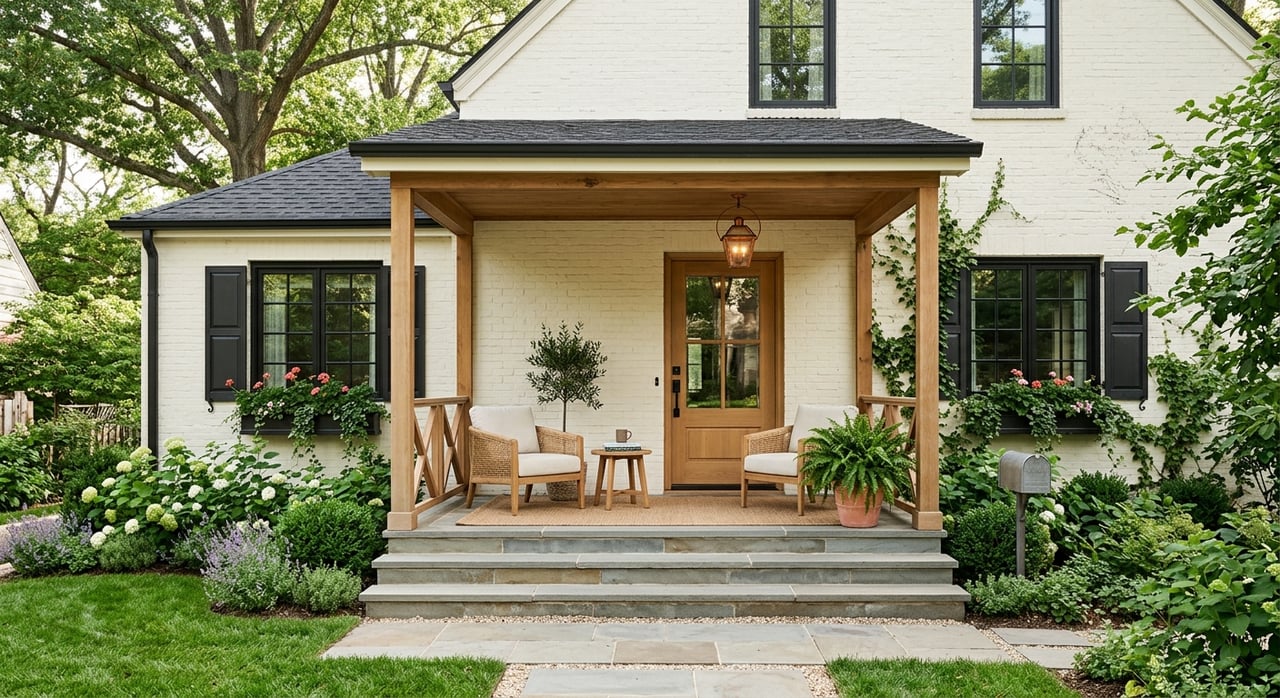
Looking for a Charlotte neighborhood that feels residential without feeling removed from the action? Sedgefield stands out because it offers a quieter, neighborhood-first setting while staying closely connected to South End’s restaurants, retail, transit, and trails. If you are trying to picture what daily life here really feels like, this guide will help you understand the housing mix, the rhythm of the area, and why Sedgefield continues to draw attention. Let’s dive in.
Sedgefield’s In-Town Position
Sedgefield sits in Charlotte’s in-town south side, not in a far-out suburban growth pocket. Mecklenburg County places it within the South Inner historic area alongside nearby neighborhoods such as South End and Dilworth, which helps explain why the area feels tied to the city’s urban core.
That location shapes everyday living in a practical way. You get a residential setting with detached homes, mature trees, and quieter blocks, but you are still living in the orbit of one of Charlotte’s most active districts.
Close to South End, But Distinct
One of the best ways to understand Sedgefield is to compare it with South End. South End is immediately south of Uptown and is known for its dense mix of dining, breweries, coffee shops, galleries, and retail, along with Blue Line access.
Sedgefield feels different. Instead of a tower-heavy environment, it reads more as a neighborhood of homes and yards, with a calmer pace that still benefits from being near that energy.
For many buyers, that balance is the appeal. You can enjoy easier access to busy city amenities without feeling like you live in the middle of them every minute of the day.
Housing in Sedgefield
Sedgefield’s housing story is not one-note. It is best understood as a neighborhood in transition, where older homes and newer development exist side by side.
Older Homes Still Shape the Area
Reporting on the neighborhood describes many original homes as 1940s-era one-story cottages, often under 1,000 square feet. The area has also been associated with 1950s homes, large yards, and a strong tree canopy.
That older housing fabric still matters because it gives many streets a settled, established feel. Even as the area changes, those smaller postwar homes remain part of the neighborhood’s identity.
Renovations and Newer Infill Add Range
Sedgefield is also seeing larger-scale redevelopment. New-construction homes around 4,200 square feet have been documented in the neighborhood, and construction activity has become a visible part of the streetscape.
That means you may see a mix of property types on the same drive. In one stretch, you could pass an original cottage, a renovated midcentury home, and a newly built house with a much larger footprint.
Nearby Development Supports Daily Convenience
The redevelopment around Sedgefield Shopping Center adds another layer to the neighborhood’s story. The center reopened with a Harris Teeter anchor in 2017, and newer multifamily development near the corridor has continued to reinforce the area’s growth.
This is important because it shows Sedgefield is not frozen in time. It is a neighborhood where classic homes, updated properties, new construction, and nearby mixed-use change all coexist.
Everyday Errands Feel Manageable
Convenience is a major part of daily life in Sedgefield. Having the redeveloped shopping center nearby gives residents access to an anchor grocery store and practical retail close to home.
That may sound simple, but it matters. In many neighborhoods, charm and convenience do not always go together, yet Sedgefield offers both a residential feel and useful day-to-day services nearby.
If you are the kind of buyer who values a neighborhood that works well on an ordinary Tuesday, not just on a weekend home tour, this is part of the appeal.
Outdoor Access Adds to the Lifestyle
Sedgefield’s location also supports a more active routine. The neighborhood benefits from its connection to the broader South End and Center City mobility network, where protected bike lanes, the Rail Trail, and greenways make it easier to move through surrounding districts.
The Rail Trail Connection
The Blue Line Rail Trail plays a big role in how this part of Charlotte functions. The City of Charlotte describes sections of it as an urban greenway lined with shops, restaurants, outdoor seating, and games, with a route extending from Sugar Creek Station to Arrowood Station with only a few gaps remaining.
For you, that can translate into more options for walking, biking, or simply enjoying time outdoors near active commercial areas. It is part of what makes Sedgefield feel connected to city life in a more flexible way than a car-only neighborhood.
Greenway Access Nearby
Little Sugar Creek Greenway adds another outdoor layer. Mecklenburg County Park and Recreation says the trail is over 17 miles long and part of the Cross Charlotte Trail network, supporting recreation, transportation, and fitness.
Even if you drive to certain access points, the presence of a major greenway system nearby strengthens the area’s active, in-town lifestyle. It broadens what everyday living can look like beyond commuting and errands.
Transit and Mobility Continue to Evolve
Another important part of the Sedgefield story is that mobility in the area is still improving. Charlotte Area Transit System says work is underway on the South End Station project, which includes a new station, a new track crossing, a new Rail Trail section, and improved sidewalks connecting to South Boulevard and Hawkins Street.
That ongoing work matters for two reasons. First, it shows continued investment in how people move through this part of Charlotte. Second, it means some access patterns and trail conditions are still evolving, with existing rail-trail closures remaining in place during construction.
For buyers thinking long term, that can be a useful reminder. Sedgefield is already well positioned, but the surrounding transit and pedestrian network is still taking shape.
How Sedgefield Compares With Farther South
Sedgefield also stands apart from farther-south suburban areas. In outer parts of south Charlotte, transit often shifts toward a park-and-ride model, which creates a different day-to-day pattern.
By contrast, Sedgefield sits closer to Charlotte’s walk, bike, and transit core. That does not mean every trip will happen on foot, but it does support a lifestyle that can feel less auto-dependent than many neighborhoods farther from the center city.
This difference can be especially meaningful if you want your home base to feel residential while still giving you easier access to urban amenities and mobility options.
Who Sedgefield Often Appeals To
Sedgefield tends to make sense for buyers who want more than one thing at once. You may want a quieter street, but you may also want to stay near South End’s dining, retail, and transit.
You may be comparing the value of an older cottage, a renovated home, or newer construction. Or you may be trying to decide whether paying for an in-town location is worth it for your routine.
Those are exactly the kinds of questions where neighborhood-level guidance matters. In a place like Sedgefield, the right fit often depends on how you weigh lot size, home style, renovation tolerance, and access to nearby amenities.
What to Keep in Mind as You Search
If you are considering Sedgefield, it helps to look at the neighborhood with a clear lens. This is not a fully preserved historic district feel, and it is not a fully new master-planned environment either.
Instead, it offers a layered mix of:
- Postwar cottages
- Renovated older homes
- Tear-down and rebuild activity
- Nearby retail convenience
- Access to South End amenities
- Proximity to trails, transit, and greenways
That combination is exactly why some buyers find it compelling. It offers character, location, and practical access in a way that feels distinctly in-town.
Why Local Guidance Matters Here
In a transitioning neighborhood, details matter. Two homes on nearby streets can offer very different experiences depending on lot size, renovation level, traffic flow, and proximity to retail or active corridors.
That is where experienced advice can make a real difference. When you are weighing lifestyle, resale considerations, and the pace of neighborhood change, it helps to work with an advisor who understands both Charlotte’s block-by-block nuance and the construction side of housing decisions.
Whether you are relocating, moving up, or buying your first home in an in-town Charlotte neighborhood, Sedgefield is worth a closer look. If you want clear guidance on how it compares with your other options, connect with the Helen Honeycutt Group for thoughtful, local advice.
FAQs
What is daily life like in Sedgefield, Charlotte?
- Sedgefield offers a quieter residential setting with detached homes, mature trees, nearby errands, and close access to South End’s dining, retail, trails, and transit.
What types of homes are common in Sedgefield?
- Sedgefield includes older 1940s and 1950s cottages, renovated homes, larger newer construction, and nearby multifamily development.
How close is Sedgefield to South End in Charlotte?
- Sedgefield sits in Charlotte’s in-town south side and is closely tied to South End, which is immediately south of Uptown and known for its dining, retail, and Blue Line access.
Does Sedgefield have access to trails and greenways?
- Yes. The area benefits from proximity to the Blue Line Rail Trail and the Little Sugar Creek Greenway, which supports recreation, fitness, and transportation.
Is Sedgefield more urban or suburban?
- Sedgefield is best described as an in-town residential neighborhood that feels calmer than denser parts of South End while staying more connected to urban amenities than farther-south suburban areas.
Is transit around Sedgefield changing?
- Yes. Charlotte Area Transit System says the South End Station project is underway, with a new station, improved sidewalks, a new track crossing, and a new Rail Trail section planned.